
The obstacles Rwandan music has faced and those it faces now
In Rwanda, the music industry has made great progress, especially in recent years. However, there are still various obstacles that prevent this industry from making progress.

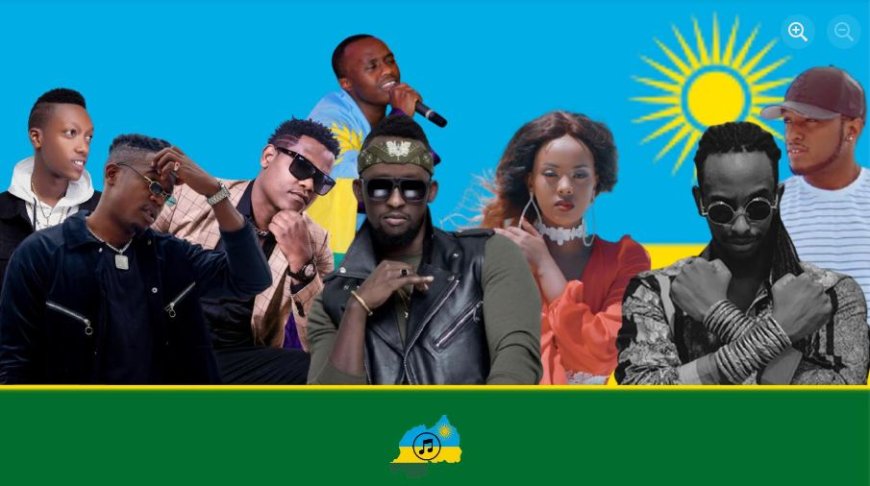
Although Rwandan artists demonstrate talent and passion for developing their music, there are histories and issues that continue to haunt them.
There are some historical obstacles, but they started from the 1990s to 2005. Rwandan music faced many challenges including:
1. Lack of funds to produce songs
Here, many artists used simple methods, unable to enter the professional work sector.
2. Being mistreated by the Rwandan community
In the past, an artist was considered someone who had nothing else to do. Many were called bad names, slandering and mocking the profession that provided livelihood to many, which caused some to lose hope in this profession and were unable to continue or enter the art world.
3. Lack of markets and donors
This is one of the challenges that continued to plague the music industry, where artists could not see how to take their work to the level they desired, and even commercial institutions did not trust them.
4. Lack of professional music producers
If you carefully follow the way old songs were traditionally arranged, you will find that most of them are songs that are not at the level of competing with others and reaching the international level.
Even so, even now Rwanda music still faces obstacles
There have been many advances, including modern tools, better graphics, and social media, but there are still significant challenges:
1. Small domestic market
The fact that the country is small and has a single language audience (Kinyarwanda) affects the way music can earn artists a lot of money. This has led some to believe that expanding their music requires them to work in international languages in order to have a step towards expanding the market.
2. Mismanagement of artists
Many artists do not have support in their work and management, so they are unable to properly plan their marketing activities, find concerts or work with commercial agencies, which is still difficult for many.
3. Copyright and legal issues
Although there are laws that protect the rights of artists, they are often not properly enforced. Artists' works continue to be used without any rights specified or granted by the owner of the work.
4. Lack of understanding of the music business
Some artists just sing, but they don't realize how music can generate income for them through contracts with their collaborators, competitions they should participate in, the use of social media, and more.
5. Media that does not care about authenticity
Some journalists prioritize their friends' artists over supporting talent, which means that some talents are not given the attention they deserve.
6. International disappearance
To date, Rwandan artists still face barriers to accessing the international market due to language, lack of support, and other cross-border projects that cannot be properly implemented for many different reasons.
While Rwandan music still faces many and difficult obstacles, relevant institutions and those who have a say in Rwandan entertainment, especially music-based arts, are urged to
Establish a specific program to promote music, such as increasing competitions, music-related courses, and government strategies that support artists.
Improve laws protecting the personal property of artists and establish mechanisms to monitor their compliance.
Increasing knowledge about music and its business through training for artists and their managers.
Work closely with the media to play a role in promoting genuine talent rather than favoritism.
Rwandan music still needs to be built on a strong foundation, so that it can compete with other regional and international music. This is given a solid framework that does not hinder the obstacles that hinder Rwandan music and the development of artists will be the history of a famous Rwandan artist who will advance the music to the next level. We want it to reach a higher level.
What's Your Reaction?








![What you need to know about Rwandan boy, Lionel [Lilly Tronn] who changed into a girl [photos]](https://www.igisubizo.com/uploads/images/202411/image_870x580_6738b804efe8b.jpg)